No products in the basket.
A simple guide written by us for cleaning, maintaining, and repairing your wooden fire surround, including both waxed pine and oiled oak finishes. The wooden fireplaces and surrounds we supply are designed to be maintained easily. This guide covers both the treatment of our Wood Fireplaces collection also the care of our individual Wooden Surrounds.
A solid wood fire surround should last for many years with the right care. The most important thing is to know how the wood has been finished. Our pine surrounds are traditionally stained and waxed, while our oak surrounds are normally protected with oil. Each finish should be looked after slightly differently.
For regular cleaning, dust your fire surround with a soft, dry cloth. Avoid using a wet cloth, household cleaning sprays or silicone furniture polish. These products can affect the colour and finish of the timber. When something is spilt on the mantel, wipe it away as soon as possible. We also recommend using coasters beneath drinks, plant pots and other items that could leave a mark.
Our solid pine fire surrounds are sanded, stained and waxed by hand. The wax protects the timber and helps bring out its natural colour and grain. A pine surround can usually be rewaxed around once a year.
Before applying fresh wax:
Do not apply too much wax. A thin, even coat will normally give the best finish. Always test a new product on a small, less visible area first.
Our solid oak fire surrounds are usually finished with oil rather than wax. The oil protects the wood while keeping the natural grain visible. An oak surround may need another light coat of oil when the timber begins to look dry or dull. Make sure the wood is clean and completely dry before applying a suitable finishing oil. Work a small amount into the timber with a lint-free cloth, following the direction of the grain. Remove any excess oil and allow the surround to dry fully. Always follow the instructions supplied with the oil, including the guidance for safely disposing of used cloths.
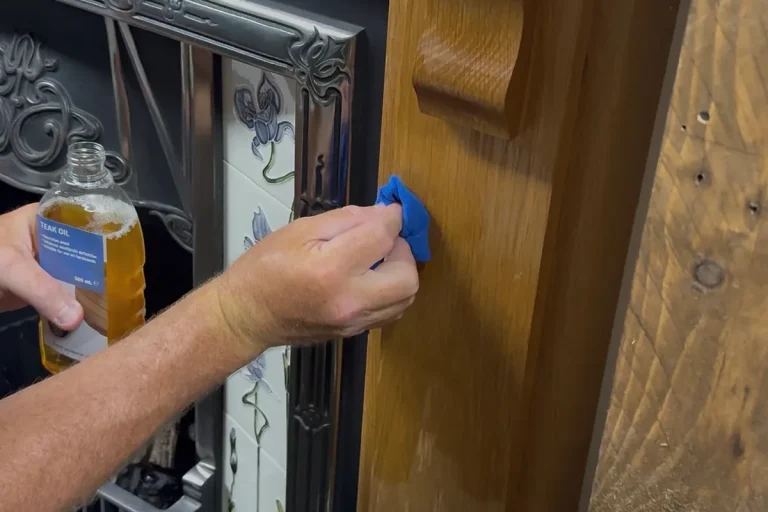
Light surface marks may become less noticeable after the surround has been waxed or oiled. Deeper scratches, water marks or damaged areas may need to be lightly sanded and refinished. Matching the colour of an older surround can be difficult, as solid wood naturally changes over time. Before sanding a visible part of the surround, send our team a clear photograph. We can help you decide on the best way to treat it.
To protect your wooden fire surround:
We recommend checking the finish around once a year. The surround may need treating when the wood begins to look dry, faded or uneven. When the existing finish still looks good, there is no need to apply more wax or oil simply because a year has passed.
We have supplied solid wood fire surrounds for over 30 years, including handmade pine and oak designs. Our team has experience preparing, staining, waxing and oiling wooden surrounds, so we understand how different finishes should be maintained. When you are unsure which finish is on your surround, contact us before applying a new product. You can send us a photograph, call our team or visit our Heanor showroom for advice.
Written and reviewed by Mark Adams, Director of Cast Fireplaces
Mark has over 30 years of experience supplying fireplaces and working with solid pine and oak fire surrounds.
Published: 20 June 2026
Last reviewed: 10 July 2026
Phone
01773 718718
Email
sales@castfireplaces.co.uk